
How We Choose Our Hunt Locations
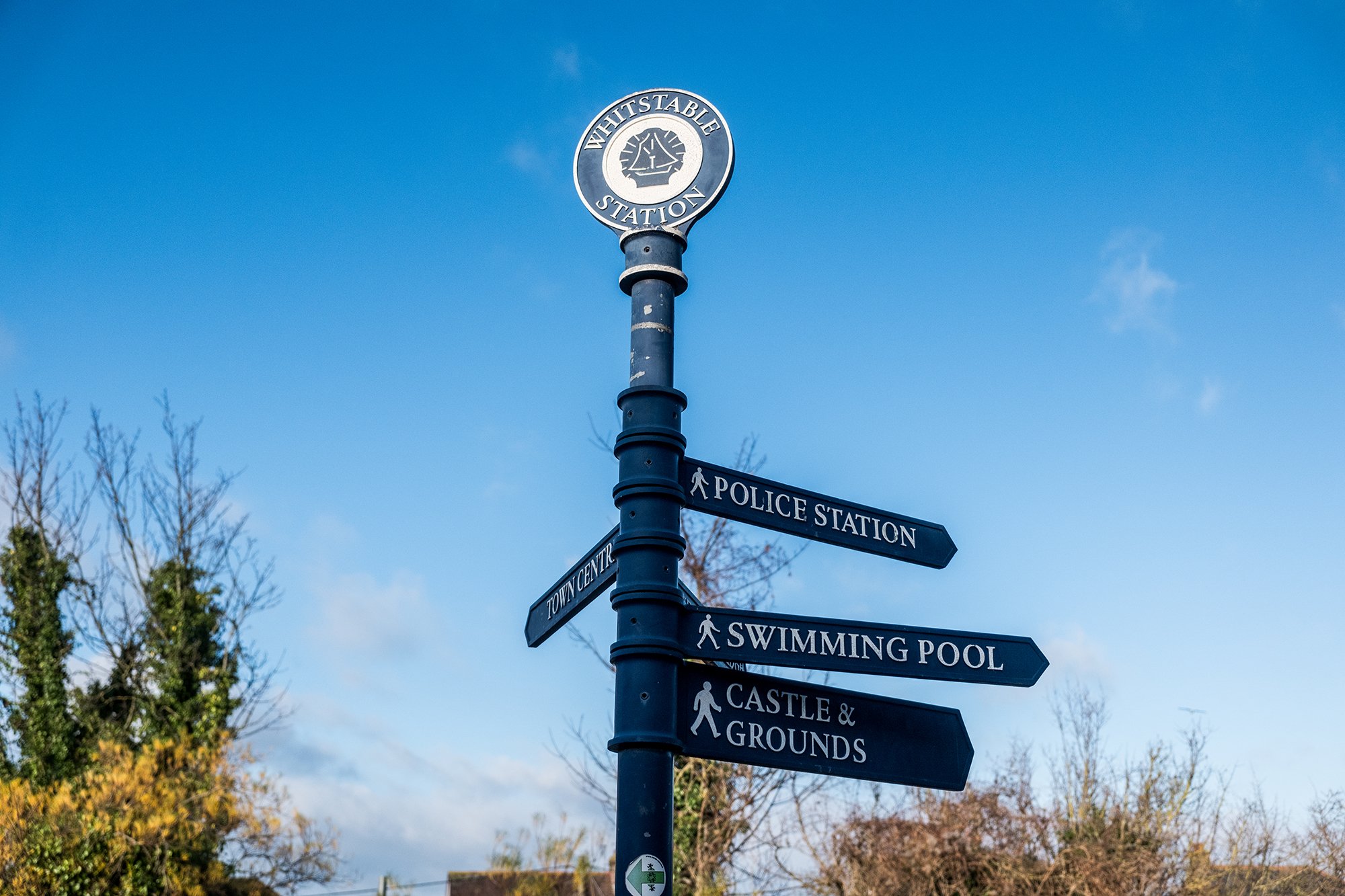
So many choices…
How Do We Choose Where to Go Next?
People ask us this a lot. Your approach seems scattergun they say. The honest answer is: we go somewhere, look around for a few hours, and hope there’s enough to work with. This is not as crazy as it sounds.
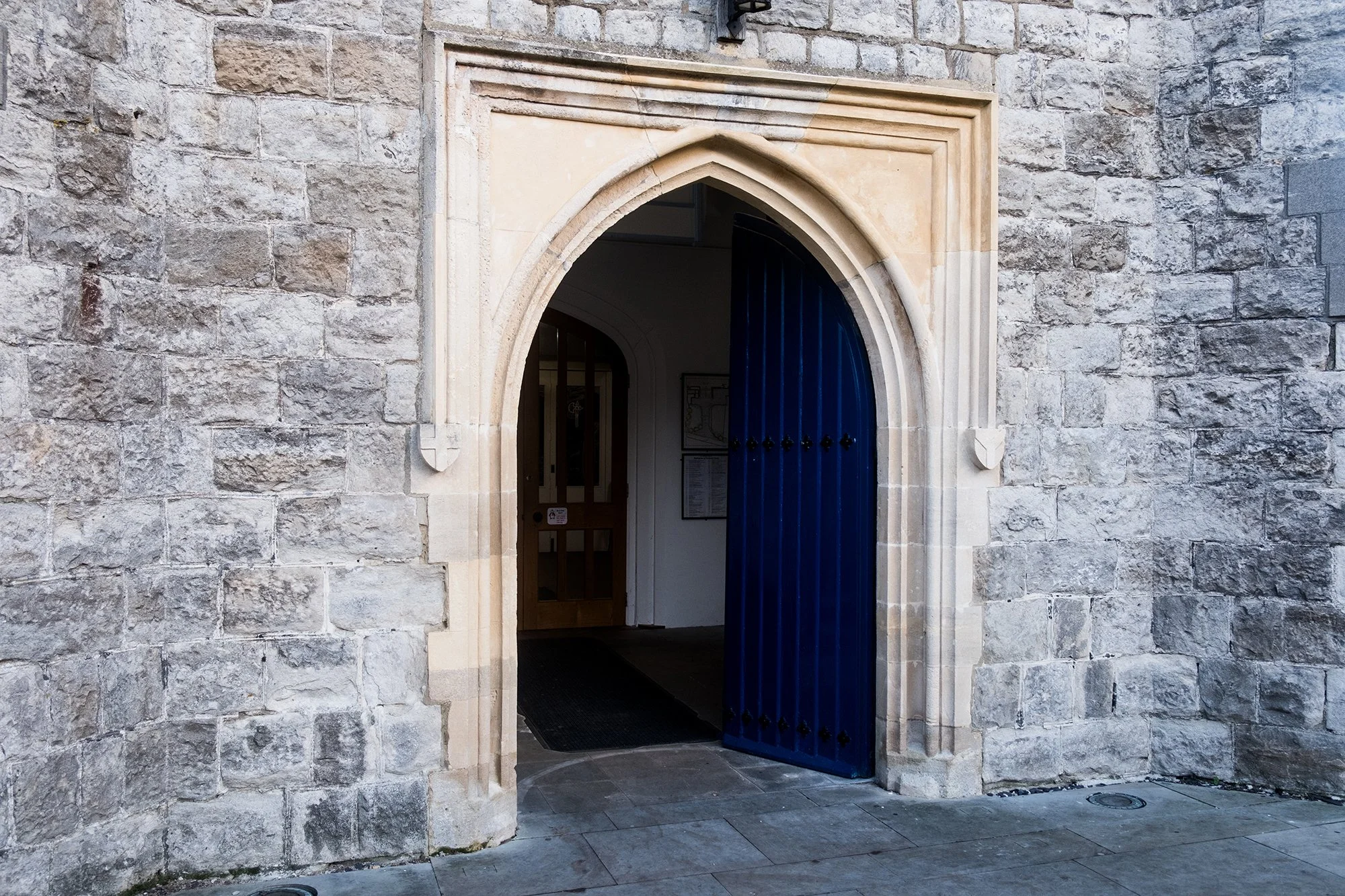
Start with curiosity, not a checklist
There's no formal criteria for an X Hunts location. No spreadsheet, no scoring system, no minimum requirement for the number of interesting plaques per square mile. We go somewhere because it seems like the kind of place that looks interesting.
The UK is remarkable in this regard and we hope people don’t take this for granted. Everywhere has history. Everywhere has character. Everywhere has details hiding in plain sight that many walk straight past. The question isn't whether a place has enough to work with, it’s whether we can find it. And to be honest, once you start noticing these things you can’t turn if off.
Honestly, we like going places anyway. Personally I love a little nosy. And if we can get a X Hunt out of it, more’s the better. If not, worst case scenario is a nice day out. Win win.
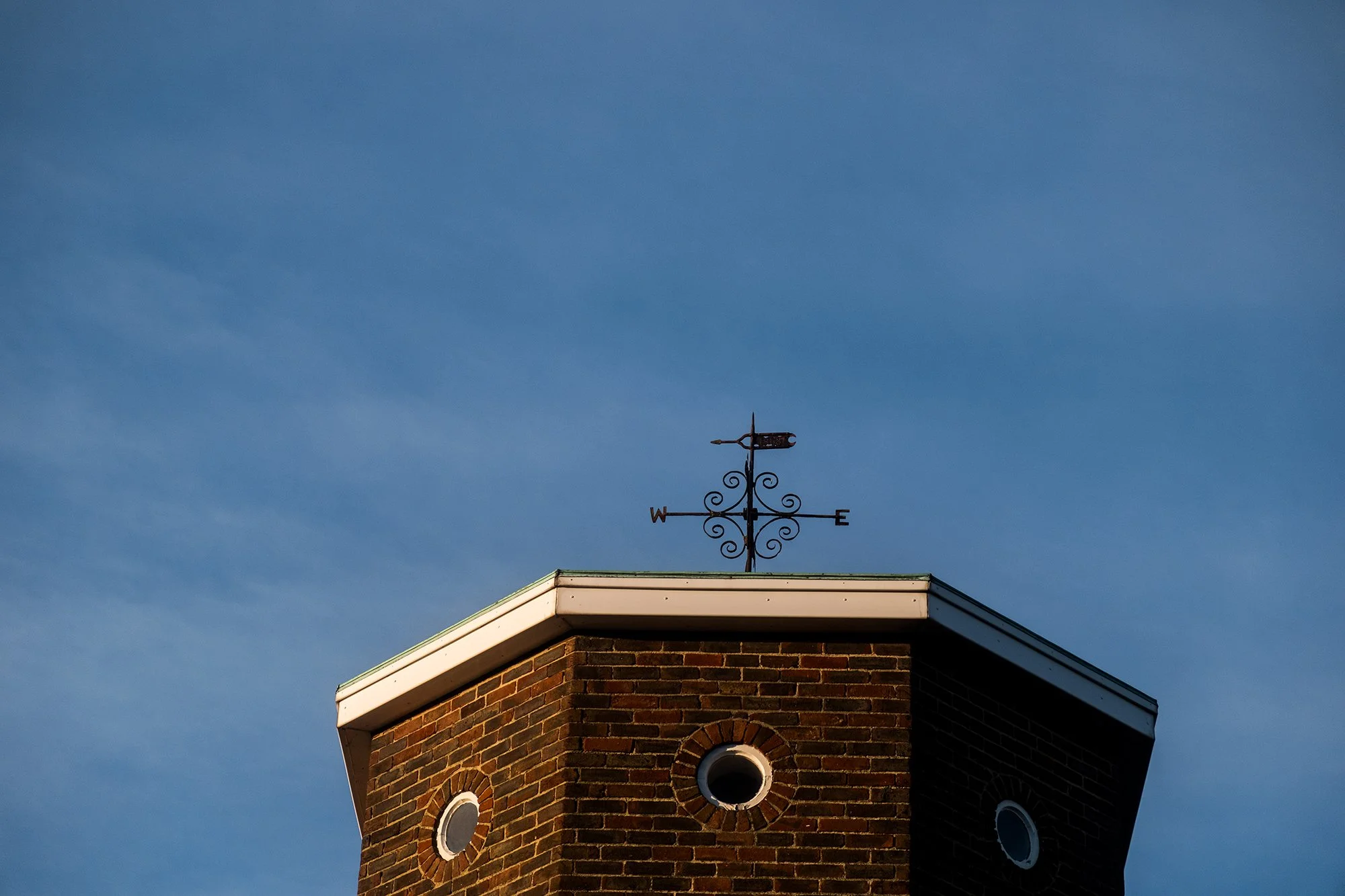
Towns over cities (mostly)
We've done both. And while we love our London hunts – Covent Garden, Marylebone, Greenwich, Tower Bridge – I'll be honest: I prefer smaller towns.
Not easier to research, necessarily. But easier to define. When you're in Whitstable, you can confidently say you've explored the entire town centre. You know where the edges are. You can draw a line round an area that feels complete rather than arbitrary. There's something satisfying about a hunt that takes you through a place properly, rather than a slice of somewhere much bigger.
Cities are harder for a few reasons. The most obvious is scale – London for example has so much to work with that the first challenge is deciding where to draw the line geographically. You can do it on a map but when you get there it’s never right. Get it wrong and you've got a hunt that tries to cover too much and/or misses something obvious.
The less obvious challenge is permanence. Smaller historic towns change slowly. The things we put in a Rye or Tewkesbury clue hunt are almost certainly still there five years from now – the buildings, the plaques, the details. Cities evolve faster. New buildings go up, old ones get refurbished, scaffolding appears and stays for what feels like decades. It's harder to confidently say ‘this detail will still be here’ when you're working in an area that's actively regenerating. Look at Birmingham City Centre for example, almost unrecognisable from how it was 25 years ago.
Which is why we have a soft spot for somewhere like Whitstable. A town compact enough to know thoroughly, characterful enough to reward that knowledge, and settled enough that the things we notice today will still be there when you go to find them.
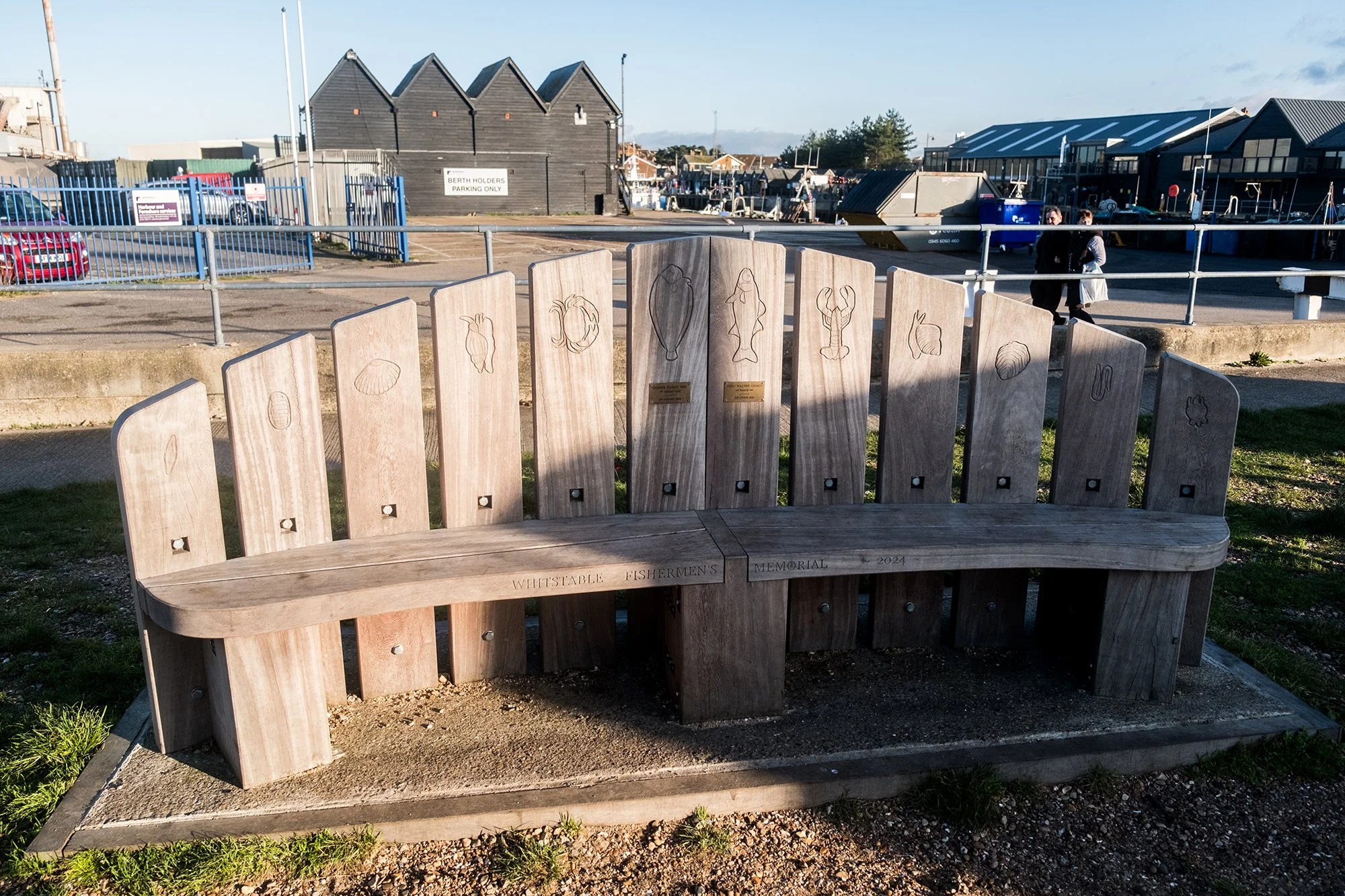
An excellent and interesting bench but it didn’t make the hunt. In fact, last time we visited, someone was having a cat nap on it!
The research trip
Once we've decided on a location – which is usually more on vibes than analysis — we go. Paper map, camera, comfortable shoes, and absolutely no guarantee that we'll come home with enough material.
We always do, though. Everywhere is interesting if you look hard enough. That's not optimism, it's just true. The challenge isn't finding things – it's narrowing them down to thirty clues that cover all the key sites and are as evenly spread out as possible.
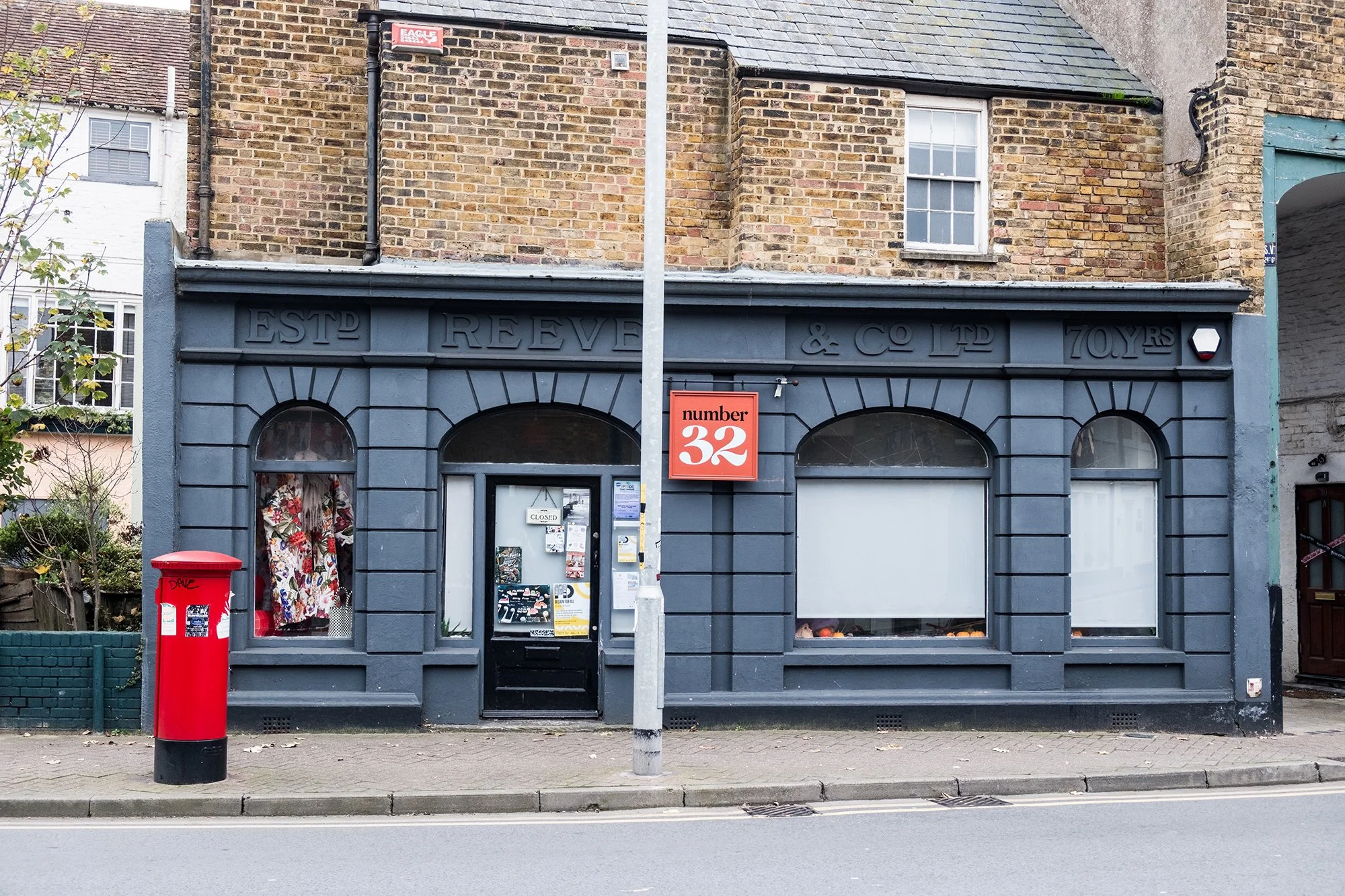
Part of that editing is knowing what not to include. Benches are out – however beautiful or interesting, we don’t want players hovering awkwardly around someone trying to eat their lunch. Post boxes are almost always out – they’re charming, but they’re everywhere so they’d have to be really unusual. Anything on or relating to a private house is out – nobody should feel watched in their own home because of a clue hunt. And anything that feels too recent in terms of loss – memorials or dedications to people who died within living memory – we leave well alone. There’s a difference between history and grief, and we try to be thoughtful about where that line sits. Generally speaking, if it’s Second World War or earlier, we’ll consider it. More recent than that and we step back.
What’s left after all that is still usually more than enough. The things that make a good clue are surprisingly consistent wherever you are. Churches, shopfronts, war memorials, street furniture, plaques, carvings, inscriptions – the raw material of a clue hunt is the raw material of any British town. You just have to look.
What’s next
We currently have 17 hunts across England – from Stratford-upon-Avon to Margate, Rye to Tower Bridge – and we're not slowing down.
Next on the town list I think I might go for my beloved Torquay. We've done the research trip, we know what we're working with, and we're very much looking forward to writing it. The English Riviera has a lot going on beneath the surface. Next on the city list is Borough, we’re already underway with that one! Watch this space.
In the meantime, the full X Hunts collection is at xhunts.co.uk – and if you've got a suggestion for where we should go next, we're all ears. Or even better if you think your town is un-X-Hunt-able. We accept the challenge.