
Behind the Clues: Researching the Tower Bridge Hunt
There are places in London so famous that everyone thinks they know them. Tower Bridge appears on more postcards, phone screens and tea towels than almost anywhere on earth. The challenge of turning somewhere like that into a clue hunt isn’t finding enough material — it's the opposite. It’s working out what to leave out.
This is how the Tower Bridge clue hunt came together.
Arriving with a camera and a keen eye
Step one is to work out a rough area that we either know, or hope, has lots of interesting stuff and print off a map of it (did we mention we like paper?!), with the area outlined. We know London well, but for other places this may involve a bit of desktop research.
Then we set off to the area with the map. and a camera.
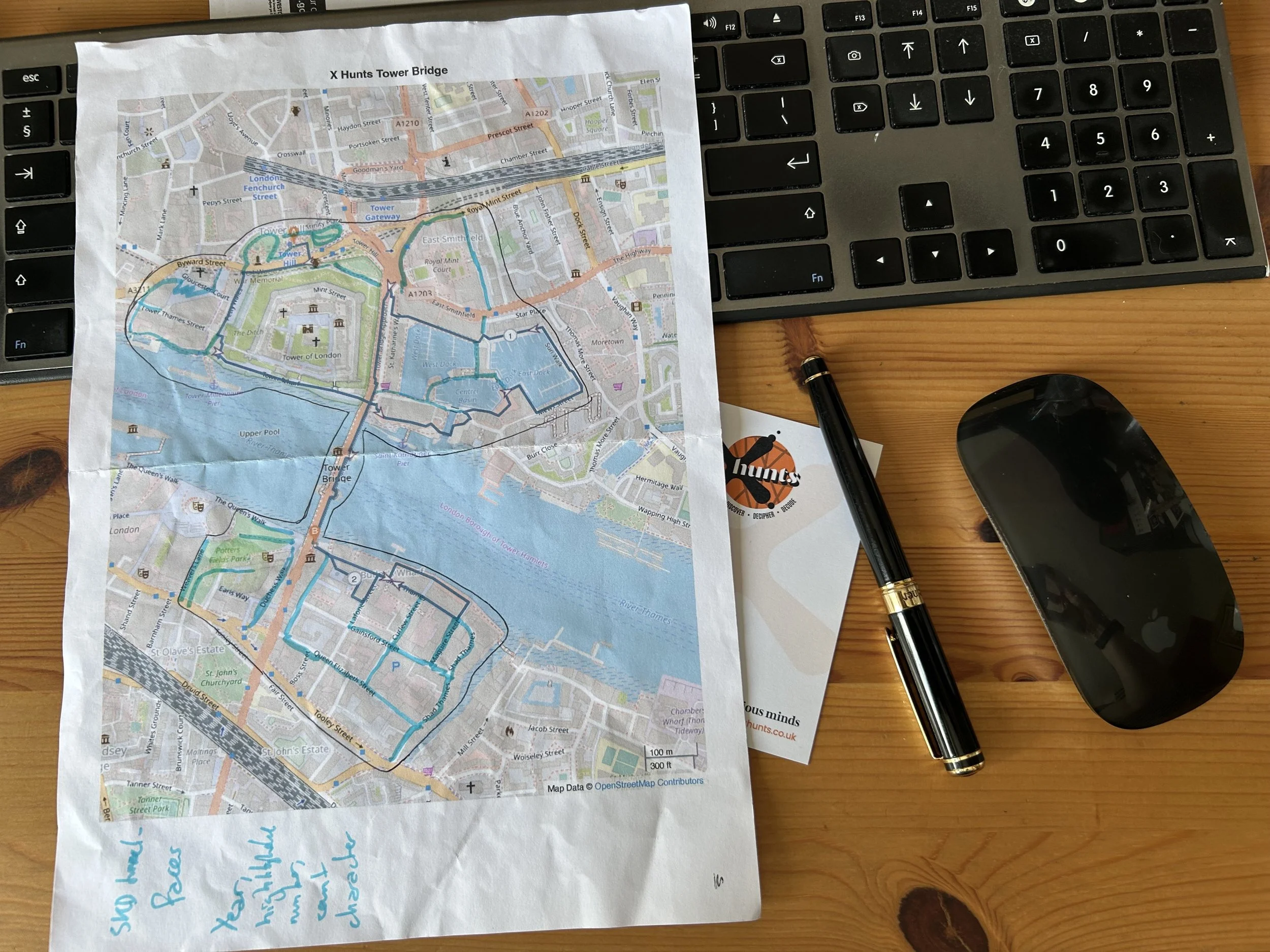
Our research map print out with highlighter marks and some ‘notes to self’ on clues (I can’t even remember what my point was)
The problem with ‘famous’ places
When a location is this well known, the obvious details aren’t available to us for a hunt. Everyone who visits Tower Bridge looks at Tower Bridge. What we’re looking for is what they don't look at — the detail just above or below eye level, the plaque nobody stops to read, the detail the sculptor added that’s been there for a hundred years without many noticing.
As we go we highlight the streets we’ve been to on our paper map so we make sure we’ve covered it all. The map from our Tower Bridge research trip is above. It actually has another route marked on it as there was a previous iteration of this a year or so back. This involved a prescribed route and not a map with the freedom to choose but that’s a story for another day…
The Tower Bridge hunt has 32 clues. We're not going to tell you what any of them are, but we will tell you’re unlikely to find them in a tourist photo or on a postcard.
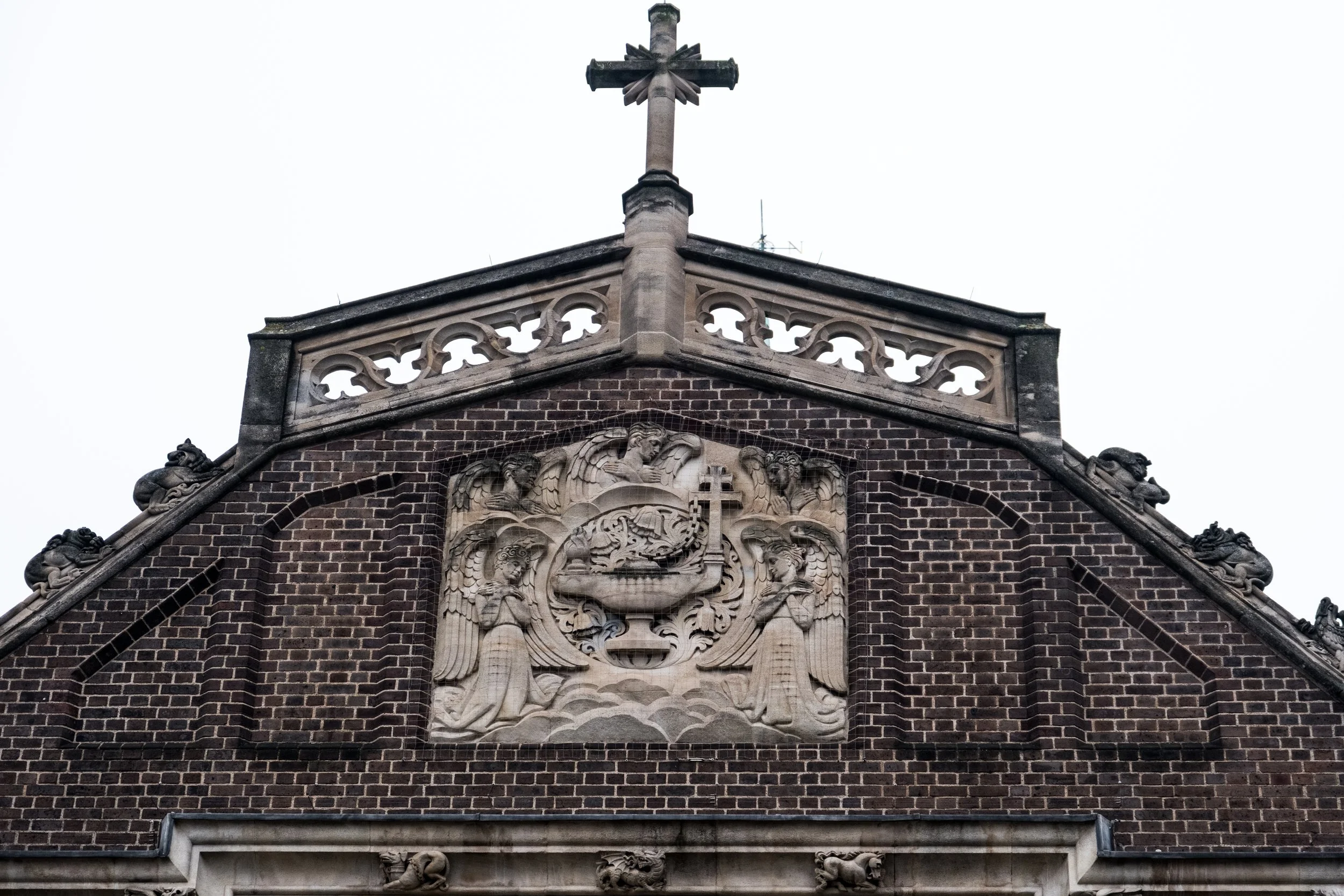
Lovely details but didn’t quite know what to do with them.
The many that didn’t make it
Not everything makes the cut. Research trips generally generate far more material than any hunt can hold – dead ends, rabbit holes, beautiful details that turn out to be impossible to turn into a clue with a definitive answer. We also don’t want people to have to book overnight accommodation if we can help it.
A dead end from this trip involved house names that all came with lovely little illustrations. We wrote the clue but in the end decided we didn’t want it to be our fault that people’s private homes were being stared at by strangers. I wouldn’t like it so didn’t want to inflict it on anyone else!
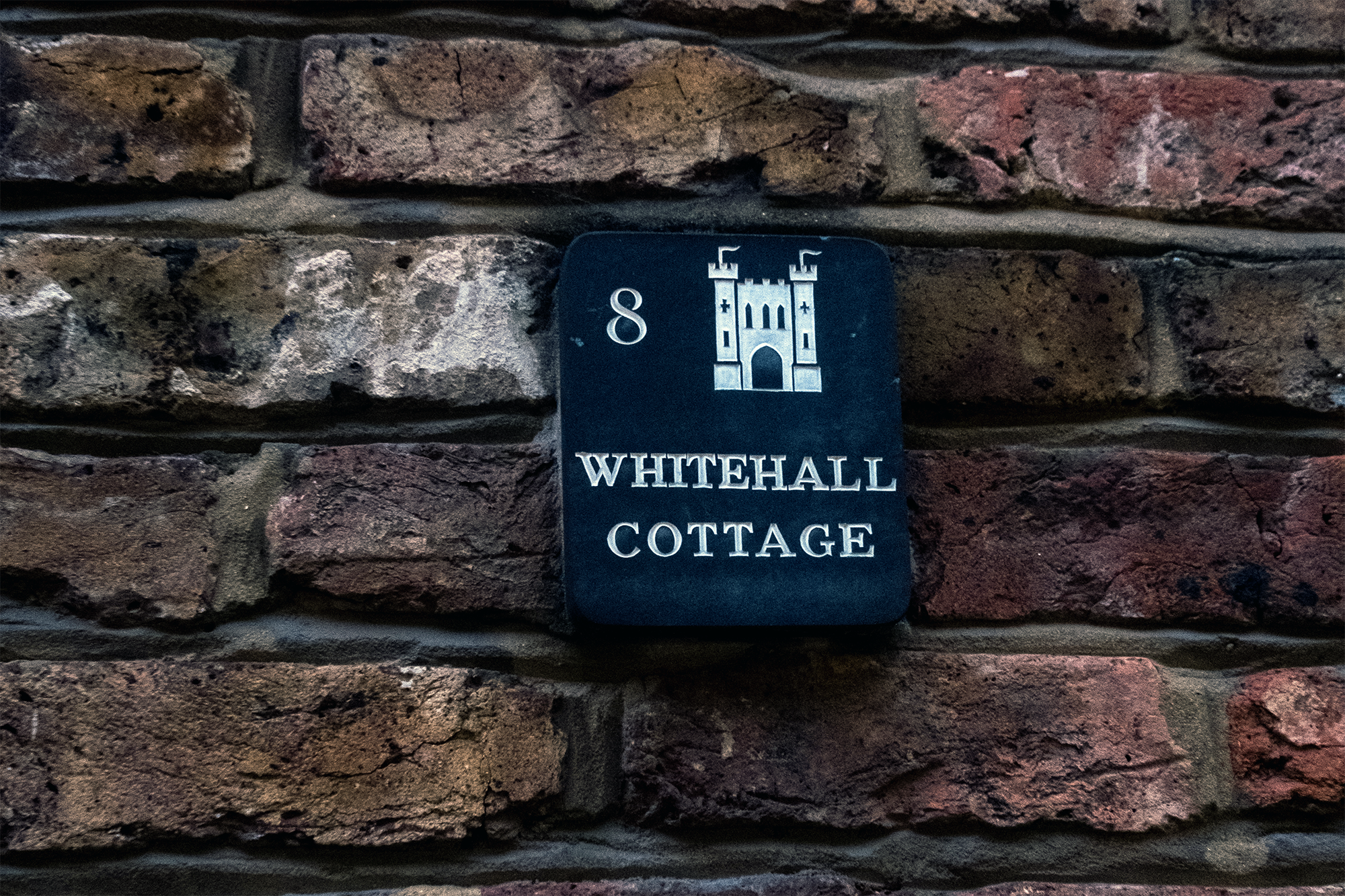
One of the house illustrations but we decided in the end that not invading people’s privacy was more important
Even locals don’t know everything
Every research trip has a moment where somewhere you thought you knew reveals something you didn’t expect. Tower Bridge and its surrounding area had several.
For as long as I can remember I’ve been calling it ‘St Katharine’s Dock’, once I properly read the signage it turns out it’s actually called ‘St Katharine Docks’! We’re trying to get it right now but years of muscle memory is hard to shake. That area in particular held some real gems that I’d never seen before, no spoilers but there’s a treat for film fans!
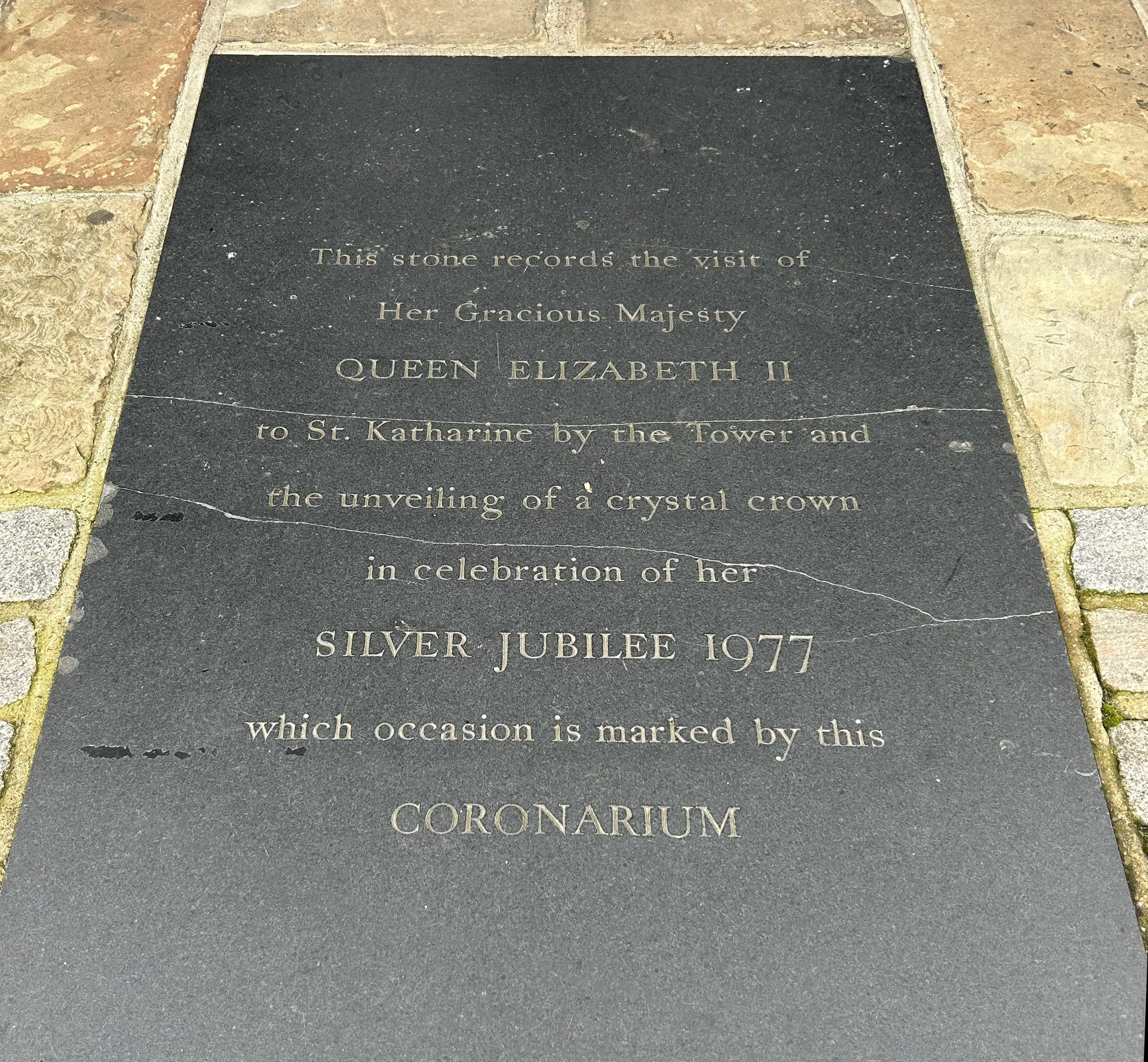
Also spotted at the docks
I’d also never properly looked at the war memorials at Tower Hill – the detail, particularly the carvings is just astounding. In my research I found out the sunken garden is sunken because following the end of the war, there was a feeling that the elaborate and artistic memorials to the First World War did not capture the national mood of mourning. It was felt that spaces such as gardens, especially sunken ones which provided a location for individual mourning and reflection, were more suitable.
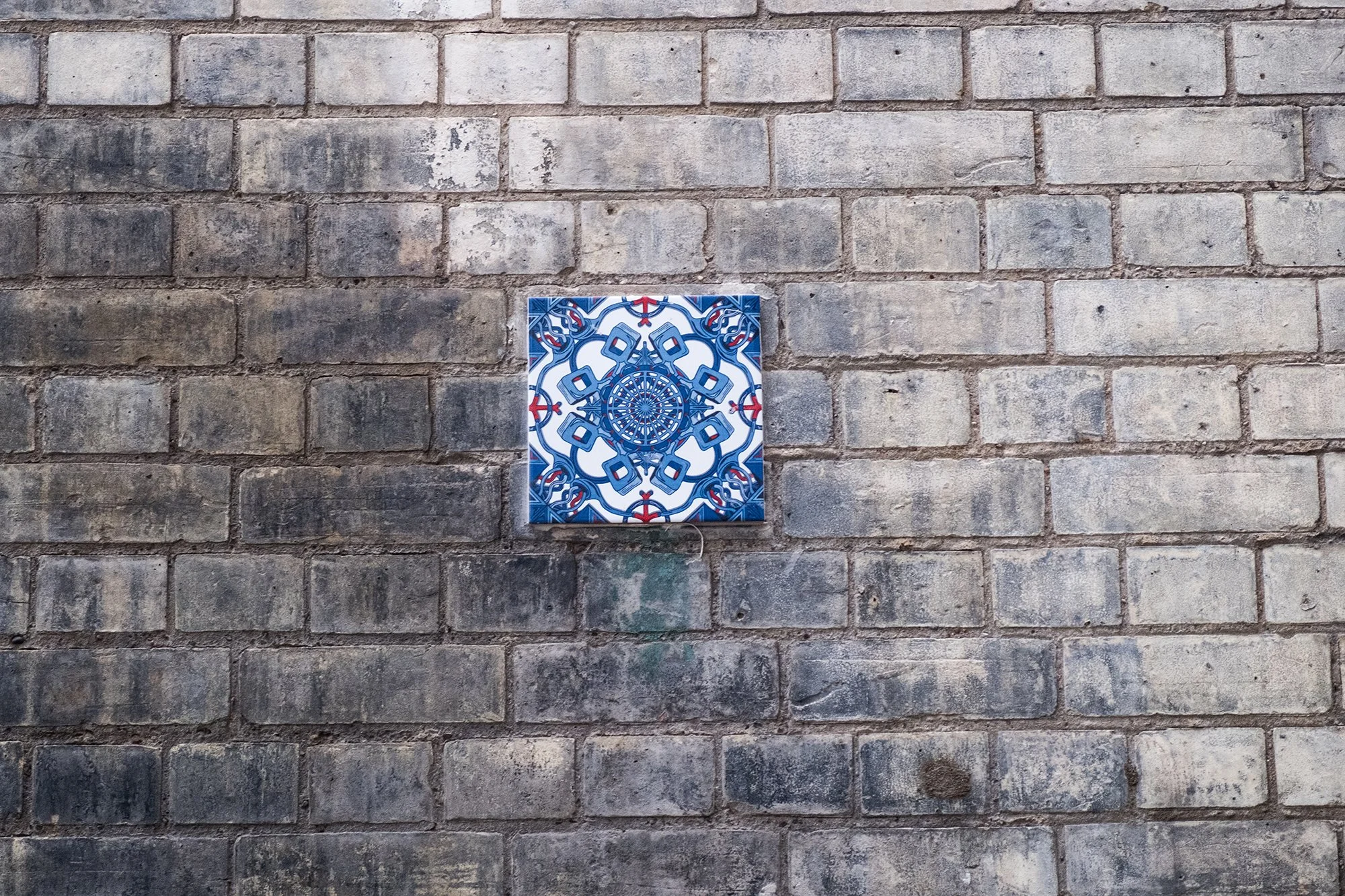
A lovely little detail, but not enough for us to work with
What 32 clues actually looks like
Thirty-two clues means thirty-two locations (thirty-one actually, one was just too good to only have one clue), thirty-two clues, thirty-two answers that feed into a final cipher. It means a research trip that fills a camera roll, a map, and several hours of walking around looking at things at close range while other visitors wonder what on earth you’re doing, like when I was filming a sundial like it was an influencer.
It means dead ends and discoveries in roughly equal measure. It means coming home and realising you need to go back because you missed something – check CCTV for me leaving voice notes to myself whilst kneeling in front of a war memorial. It means the finished booklet contains about a third of what we actually found, and the other two thirds are sitting in a folder for a future social post.
13/07 EDIT: The final published hunt has 30 clues and a trail, so 31 really, as one got cut in the edit!
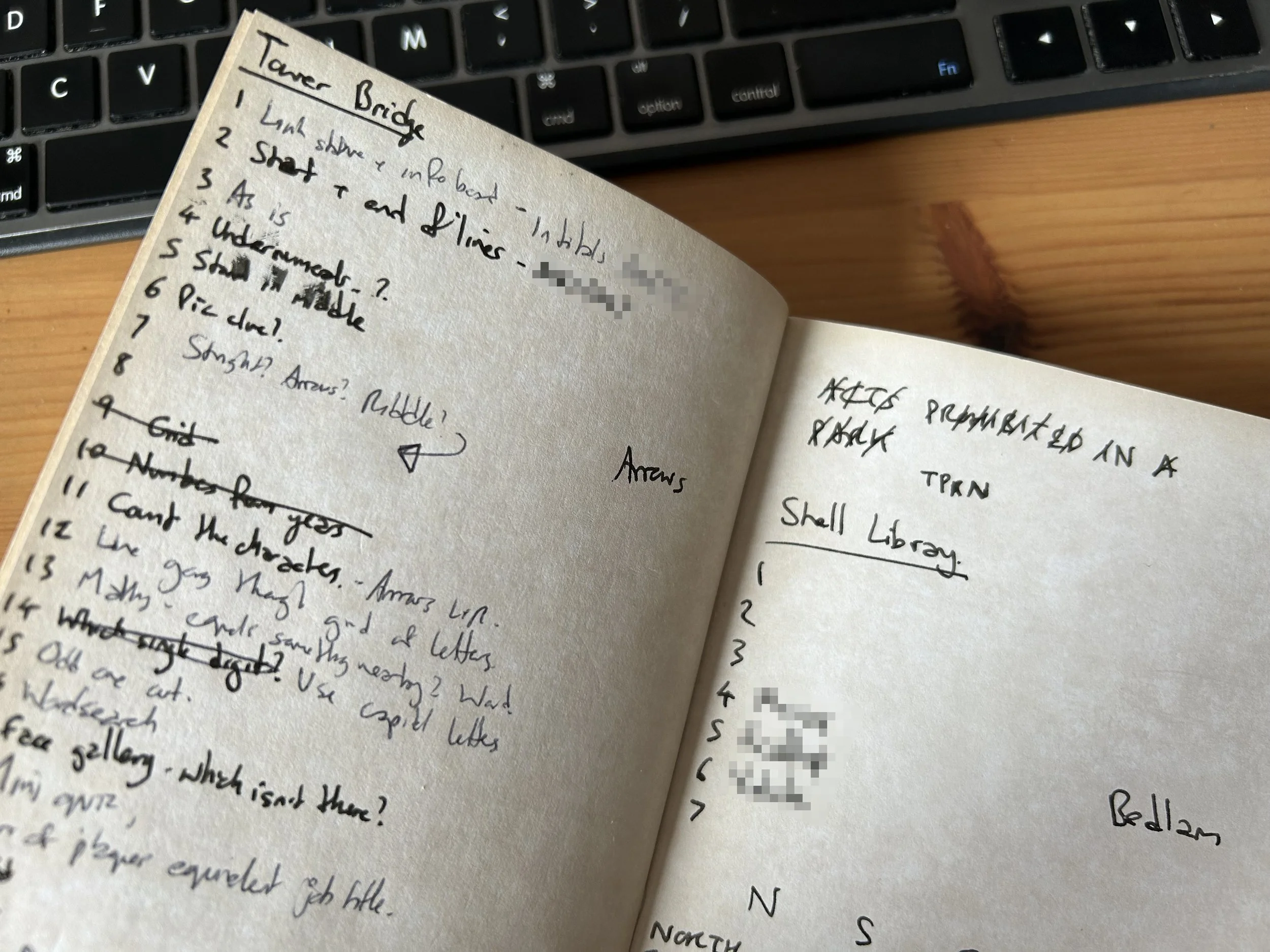
The notebook of a clue writer. Or a lunatic. Or perhaps both! Pixelated for no spoilers…
We're fairly confident it's our best hunt yet. But we would say that.
The research trip is only half the job. Going through the photos, plotting the route, writing thirty-two clues that are satisfying without being impossible — that's a whole other story. Watch this space.
When can you do it?
Now! The Tower Bridge Clue Hunt is available now — covering Tower Bridge, St Katharine Docks, Shad Thames and the Tower of London area – you can find it here.
We also have 14 other hunts available across England — from Canterbury to Cirencester, Rye to Rochester, and three areas of London; Covent Garden, Marylebone, and Maritime Greenwich. Find the full collection at xhunts.co.uk, and follow us at @xhuntshq for updates on whatever comes next.
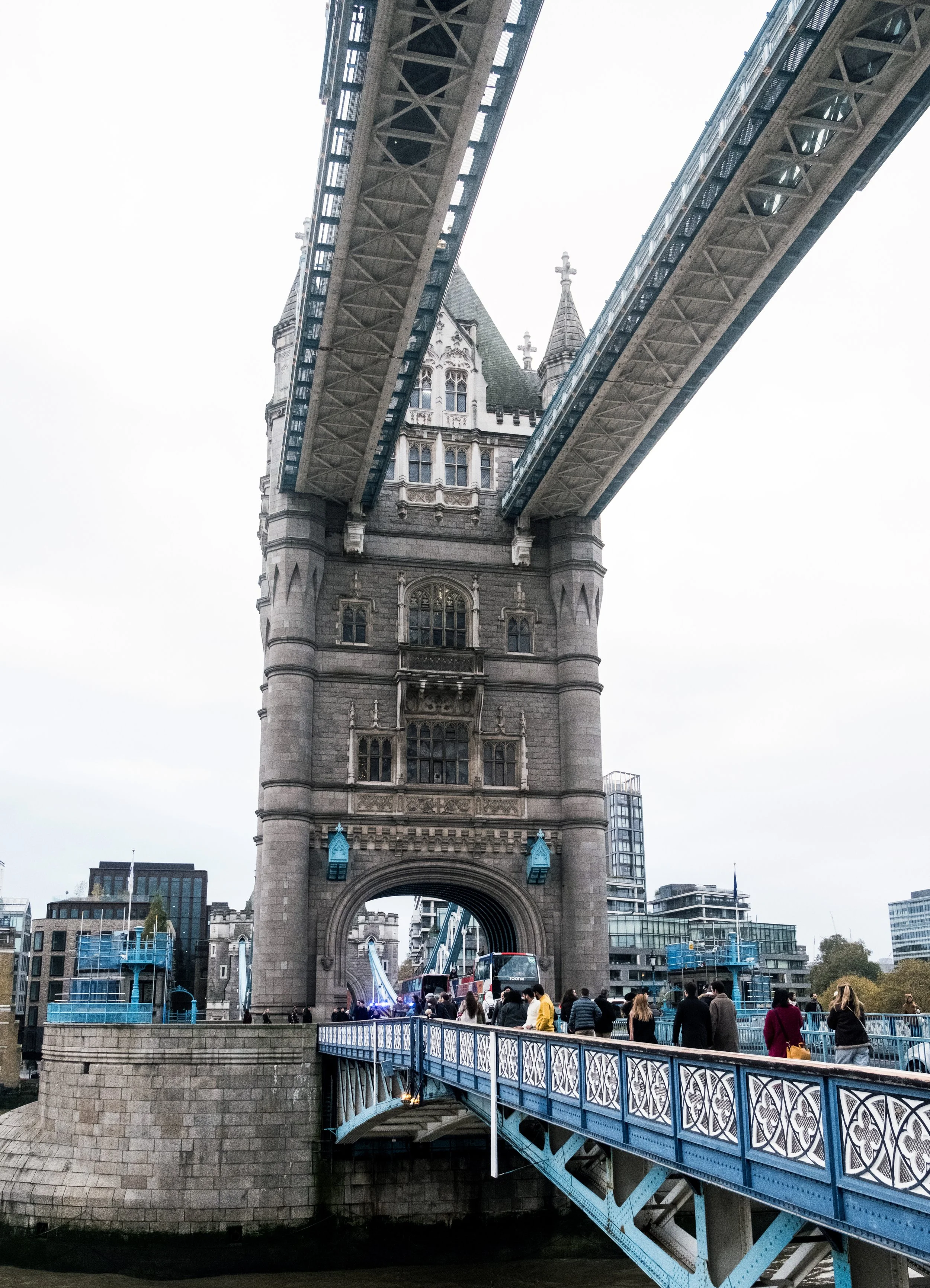
Tower Bridge in all it’s glory